

EasyStore was built in Malaysia, for Malaysian sellers — and that distinction matters more than you might think.
When you are choosing an ecommerce platform in Malaysia, the conversation usually starts and ends with Shopify. But Shopify was built for the US market. Its pricing is in USD. Its marketplace integrations require expensive third-party apps. Its support team is in North America. For a Malaysian seller running a small business from Petaling Jaya or Johor Bahru, these are real friction points — not minor inconveniences.
EasyStore takes a different approach. Built in Penang, priced in Ringgit, with native Shopee and Lazada integration, local payment gateways, and a support team you can reach during Malaysian business hours. But does “built for Malaysia” mean it is actually good? This review covers everything you need to make that call.
Quick verdict: EasyStore is a Malaysian-built ecommerce platform designed for sellers who want their own website and marketplace presence on Shopee and Lazada in one dashboard. Plans start from RM 199/month on an annual plan.
Best for: Malaysian sellers who want Shopee and Lazada sync, beginners who want local-language support, sellers who prefer pricing in Ringgit without exchange rate risk.
Not for: Sellers targeting primarily US or European markets, stores that need advanced design customisation or a large third-party app ecosystem.
In this review:
- EasyStore at a Glance
- Key Features
- Pricing
- EasyStore vs Shopify vs WooCommerce
- Pros and Cons
- Who Should Use EasyStore
- Alternatives to Consider
- Frequently Asked Questions
- Our Verdict
EasyStore at a Glance
- What it is: A Malaysian-built ecommerce platform for creating an online store with built-in marketplace integration (EasyStore official site)
- Who it is for: Malaysian sellers who want to sell on their own website AND marketplaces like Shopee and Lazada from one dashboard
- Price range: From RM 199/month on an annual plan (Standard) to RM 699/month (Growth)
- Markets available: Malaysia (primary), Singapore, Indonesia, Philippines, Thailand
- Our rating: 8/10 for Malaysian sellers
EasyStore was founded in 2013 in Penang and now powers over 50,000 merchants across Southeast Asia according to the Malaysia Digital Economy Corporation (MDEC) tech ecosystem report. It became one of the region’s most-used ecommerce platforms by focusing on multi-channel selling rather than copying Shopify’s generalist playbook.
Key Features
Omnichannel Selling from One Dashboard
This is EasyStore’s strongest selling point. You manage your own website, Shopee store, Lazada store, and even your physical retail POS from a single dashboard. When a product sells on Shopee, your website inventory updates automatically. When you add a new product, it can be pushed to all your sales channels at once.
Why this matters: most Malaysian sellers sell on multiple channels. If you run a Shopee store and want to add your own website (or vice versa), EasyStore lets you do both without juggling separate systems. With Shopify, you would need third-party apps like CedCommerce (RM 50-200/month) to get the same Shopee sync.
Malaysian Payment Gateway Integration
If you search “easystore payment gateway,” you want to know which payment methods your customers can use and what it costs to accept them. Here is the direct answer: EasyStore integrates with all major Malaysian payment gateways out of the box, and EasyStore itself charges zero platform transaction fees.
| Gateway | FPX Support | Card Support | eWallet | Transaction Fee |
|---|---|---|---|---|
| SenangPay | Yes | Visa, Mastercard | GrabPay, TNG | Varies (typically 1.5-3%) |
| Billplz | Yes | Visa, Mastercard | — | Varies (typically 1-2%) |
| Revenue Monster | Yes | Visa, Mastercard | GrabPay, Boost | Varies (typically 1.5-3%) |
| iPay88 | Yes | Visa, Mastercard, AmEx | GrabPay, TNG | Varies (typically 1.5-3%) |
| EasyStore Payments | Yes | Visa, Mastercard | — | Varies (check EasyStore dashboard) |
Transaction fees are charged by the payment gateway, not by EasyStore. The rates above are indicative ranges based on publicly available gateway pricing — your actual rate may vary depending on your business type and transaction volume. To confirm current rates, check each gateway’s official fee schedule directly.
Setup is straightforward. Apply for your chosen payment gateway, complete KYC verification (3-5 business days for most Malaysians with SSM registration), and connect it to your EasyStore dashboard.
Website Builder and Templates
EasyStore offers 50+ themes and a drag-and-drop website builder. The templates are clean and mobile-responsive — nothing award-winning in terms of design, but perfectly functional for a product-based ecommerce store.
The editor is simpler than Shopify’s. If you have never built a website before, this is a plus — there are fewer options, which means fewer ways to get confused. If you are a design-focused seller who wants pixel-perfect control, you might find it limiting.
Customisation is possible through HTML and CSS editing, but the template ecosystem is much smaller than Shopify’s (which has thousands of themes, both free and paid).
Shipping Integration
EasyStore integrates with Malaysian shipping providers including:
- Pos Laju — Malaysia’s national courier, most affordable for domestic shipping
- J&T Express — popular for ecommerce with competitive rates
- DHL eCommerce — good for cross-border shipments
- EasyParcel — shipping aggregator that compares rates across multiple couriers
You can set shipping rates by weight, location, or flat rate. The platform also supports self-pickup for sellers with physical locations.
Inventory Management
EasyStore handles inventory across all your sales channels. When you sell a product on any channel, stock updates everywhere. You can set low-stock alerts, track inventory by variant (size, colour), and view stock reports.
For a small to medium-sized seller with a few hundred SKUs, this works well. If you are managing thousands of SKUs or need advanced warehouse management, you will likely outgrow EasyStore’s built-in tools and need a dedicated inventory system. Our sister site covers inventory management software options that integrate with ecommerce platforms.
Analytics and Reporting
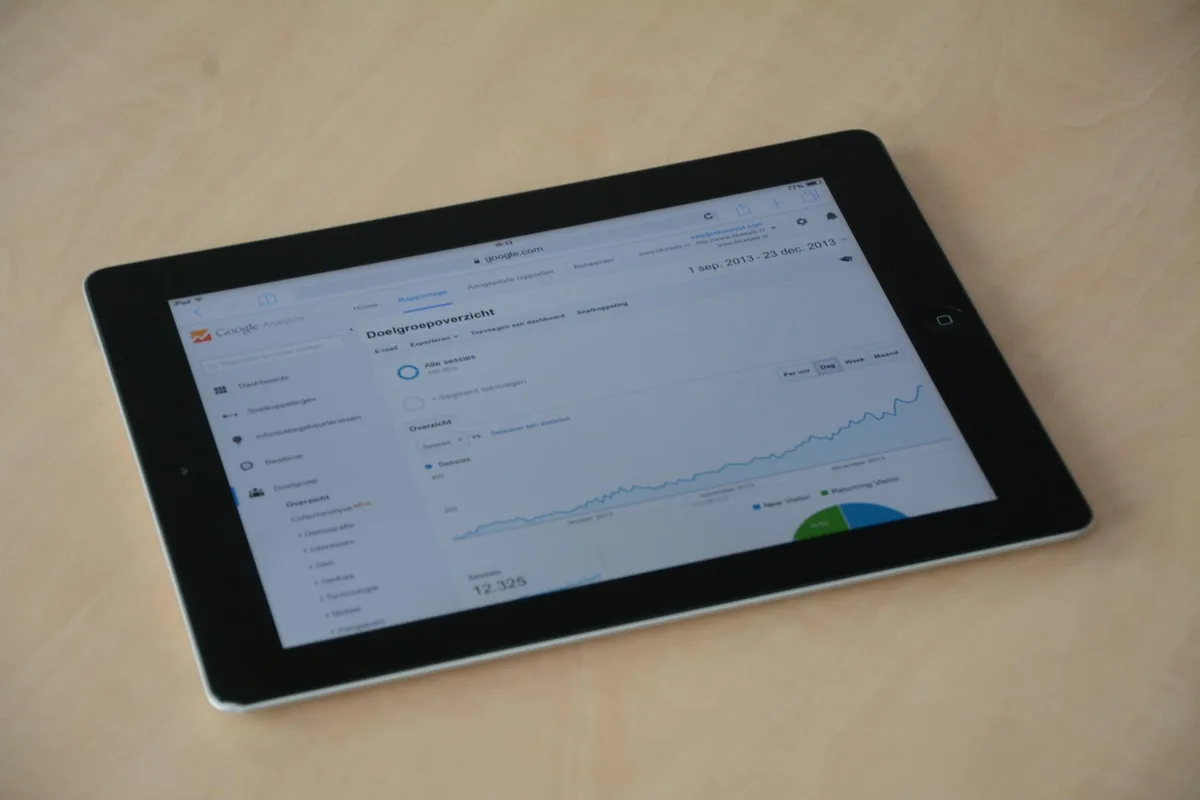
Basic but functional. EasyStore provides sales reports, traffic analytics, customer data, and channel performance comparisons. You can see which of your sales channels performs best and which products drive the most revenue.
It does not match Shopify’s depth of analytics or its integration with advanced tools like Google Analytics 4. For most beginners, EasyStore’s built-in reports cover what you need.

Pricing
EasyStore prices in Malaysian Ringgit — no exchange rate surprises on your credit card statement. As of 2026, EasyStore uses four tiers: Standard, Business, Growth, and Success (enterprise). Below are the two plans most relevant for Malaysian small business sellers.
| Plan | Annual Plan (per month) | Monthly (no commitment) | Key Includes |
|---|---|---|---|
| Standard | RM 199/month | RM 249/month | Online store, unlimited products, marketplace sync (Shopee, Lazada, TikTok Shop), payments, orders, up to 5 staff accounts |
| Business | RM 399/month | RM 249/month | Everything in Standard plus vouchers, loyalty programs, WhatsApp messaging, up to 10 staff accounts |
| Growth | RM 699/month | RM 299/month | Everything in Business plus unified POS, multi-currency, advanced fulfilment, up to 10 staff accounts |
| Success | Custom | Custom | Enterprise tier — dedicated onboarding, custom integrations, unlimited channels |
All plans include unlimited products, zero platform transaction fees, and free custom domain for the first year on annual plans. Payment gateway processing fees (charged by the gateway provider, not EasyStore) typically range from 1.5% to 3%.
Hidden costs to watch for:
- Payment gateway processing fees: typically 1.5-3% per transaction (charged by the gateway, not EasyStore)
- Premium themes: available via EasyStore marketplace (check current pricing in-app)
- Custom domain: free for the first year on annual plans, then approximately RM 50-80/year
How EasyStore compares to Shopify on total cost:
- EasyStore Standard (RM 199/month annual) includes marketplace sync for Shopee and Lazada
- Shopify Basic (approximately RM 139/month) requires a third-party marketplace sync app costing RM 50-200/month extra
- Total annual cost comparison: EasyStore Standard approximately RM 2,388/year vs Shopify Basic + marketplace app approximately RM 2,268-4,068/year
EasyStore Standard now costs more per month than Shopify Basic on its own. The comparison changes once you add the marketplace sync your Malaysian business needs: at that point, EasyStore is roughly price-comparable to Shopify — and includes local support and Ringgit billing.

EasyStore vs Shopify vs WooCommerce
Malaysian sellers most often compare EasyStore against Shopify and WooCommerce. Here is a side-by-side for the features that matter most in the Malaysian market.
| Feature | EasyStore | Shopify | WooCommerce |
|---|---|---|---|
| Starting price (annual) | RM 199/month | Approx. RM 139/month | Free (hosting: approx. RM 30-50/month) |
| Shopee and Lazada sync | Built-in, all plans | Requires app (RM 50-200/month extra) | Requires plugin (varies) |
| Built-in FPX support | Yes (via local gateways) | No native FPX | Plugin required |
| Local support (Malay/English) | Yes | No | Community only |
| Theme count | 50+ | Thousands (free and paid) | Thousands (free and paid) |
| Platform transaction fees | 0% | 2% (waived if using Shopify Payments, unavailable in Malaysia) | 0% |
| Technical setup required | Low (beginner-friendly) | Low | High (hosting, plugins, security) |
| Best for | Malaysian multi-channel sellers | International or scaling stores | Tech-savvy sellers wanting full control |
The honest summary:
- EasyStore wins on Shopee/Lazada integration, local support, and beginner simplicity for the Malaysian market.
- Shopify wins on design flexibility, international selling, and app ecosystem breadth.
- WooCommerce is free to install but requires technical comfort — you handle hosting, security, and plugin maintenance yourself.
Pros and Cons
Pros:
- Priced in RM — no USD exchange rate fluctuations
- Built-in Shopee and Lazada integration at no extra cost
- Local customer support team (Malay and English, Malaysian business hours)
- Simple, beginner-friendly interface
- Competitive pricing for Malaysian sellers who need marketplace sync
- FPX and Malaysian e-wallet support through local gateways
- SSM-friendly — designed for Malaysian business registration requirements
- Zero platform transaction fees on all plans
Cons:
- More expensive than Shopify Basic as a standalone monthly subscription
- Smaller template library compared to Shopify (50+ vs thousands)
- Fewer third-party apps and integrations
- Less powerful design customisation tools
- Weaker international selling capabilities
- Analytics and reporting are basic compared to Shopify
- Not ideal for sellers planning to scale beyond Southeast Asia
Who Should (and Should Not) Use EasyStore
Use EasyStore if you:
- Are a Malaysian seller focused on the Malaysian (or SEA) market
- Want to sell on Shopee or Lazada AND your own website from one dashboard
- Prefer pricing in RM without exchange rate risk
- Want local support you can contact during your business hours
- Are starting your first online store and want the simplest path to selling
- Have fewer than 1,000 SKUs
Do not use EasyStore if you:
- Plan to sell primarily to US, European, or other non-SEA markets
- Need a large ecosystem of third-party apps for advanced functionality
- Want extensive design customisation and premium themes
- Are scaling to high volume (10,000+ orders/month) and need enterprise-grade tools
- Need advanced marketing automation, loyalty programs, or complex discount rules
Alternatives to Consider
- Shopify — the global standard. Better for international selling, larger app ecosystem, more design options. Costs less per month on its own, but requires extra apps for Shopee/Lazada integration.
- WooCommerce — free and open source, runs on WordPress. Maximum flexibility but requires technical knowledge for hosting, security, and maintenance. Best for sellers with web development experience or who are comfortable troubleshooting plugin conflicts.
- Shopee and Lazada only — if your primary goal is marketplace sales and you do not need your own website yet, skip the platform entirely and start selling directly on marketplaces. Zero monthly cost.
For a broader comparison, see our best ecommerce platform for Malaysia guide.

Keep Reading
- Best Ecommerce Platform for Malaysian Sellers
- Shopify Review for Malaysian Sellers
- How to Start an Online Business in Malaysia
Frequently Asked Questions
Is EasyStore better than Shopify for Malaysian sellers?
For most new Malaysian sellers, EasyStore is the stronger starting point. Its Standard plan (from RM 199/month on an annual plan) includes built-in Shopee and Lazada marketplace sync that Shopify Basic requires a third-party app to achieve. Shopify Basic starts at approximately RM 139/month but requires a marketplace sync app costing RM 50-200/month extra for the same capability.
EasyStore also offers a local support team that speaks Malay and English during Malaysian business hours — something you do not get with Shopify. Shopify is the better choice if you plan to sell internationally, need a massive app ecosystem, or want premium design templates.
How much does EasyStore cost per month?
EasyStore’s Standard plan starts at RM 199/month on an annual plan (or RM 249/month with no annual commitment). The Business plan is RM 399/month on an annual plan and adds loyalty programs, vouchers, and messaging tools. The Growth plan is RM 699/month on an annual plan and covers multi-channel unified commerce. All plans include unlimited products and zero platform transaction fees. A free custom domain is included for the first year on annual plans.
Can I connect EasyStore to Shopee and Lazada?
Yes. EasyStore has built-in marketplace integration with Shopee Malaysia and Lazada Malaysia. You can sync products, inventory, and orders between your EasyStore website and marketplace stores from one dashboard. Included in all plans at no extra cost. With Shopify, the equivalent would require a third-party app like CedCommerce costing RM 50-200/month.
Is EasyStore good for beginners?
Yes. EasyStore was built with first-time sellers in mind. The dashboard is straightforward, the website builder uses drag-and-drop, and the onboarding process walks you through adding products and connecting your payment gateway step by step. Local support in Malay and English means you can get help in your own language. Start with the Standard plan to get your store running, then upgrade to Business when you are ready to add loyalty programs and customer engagement tools.
What payment gateways does EasyStore support in Malaysia?
EasyStore integrates with the major Malaysian payment gateways: SenangPay, Billplz, Revenue Monster, and iPay88, all of which support FPX online banking and major credit cards. EasyStore also offers its own EasyStore Payments solution. Transaction fees vary by gateway and typically range from 1.5% to 3% per transaction, which is standard across Malaysian payment providers. EasyStore itself charges zero platform transaction fees.
Our Verdict
Beginner verdict: Start with EasyStore Standard on an annual plan (RM 199/month). It gets you a real online store with Shopee and Lazada sync from day one — without juggling separate apps or support tickets going to North America. Upgrade to Business when your store is generating consistent revenue and you want to add loyalty programs and customer messaging.
EasyStore is the best ecommerce platform for Malaysian sellers who want to sell across multiple channels without building a patchwork of third-party apps. Its built-in Shopee and Lazada integration solves the exact problem most Malaysian sellers face: managing a website and marketplace stores from one place.
It is not the most powerful platform. It is not the most customisable. It does not have the largest ecosystem. But it was built for your market, priced in your currency, and designed for how Malaysian sellers actually operate.
If you are comparing platforms more broadly, our best ecommerce platform for Malaysian sellers guide compares EasyStore against Shopify, WooCommerce, and other options side by side. And if you are just starting your ecommerce journey, start with our how to start an online business in Malaysia guide — it covers everything from SSM registration to your first sale.